|
|
|
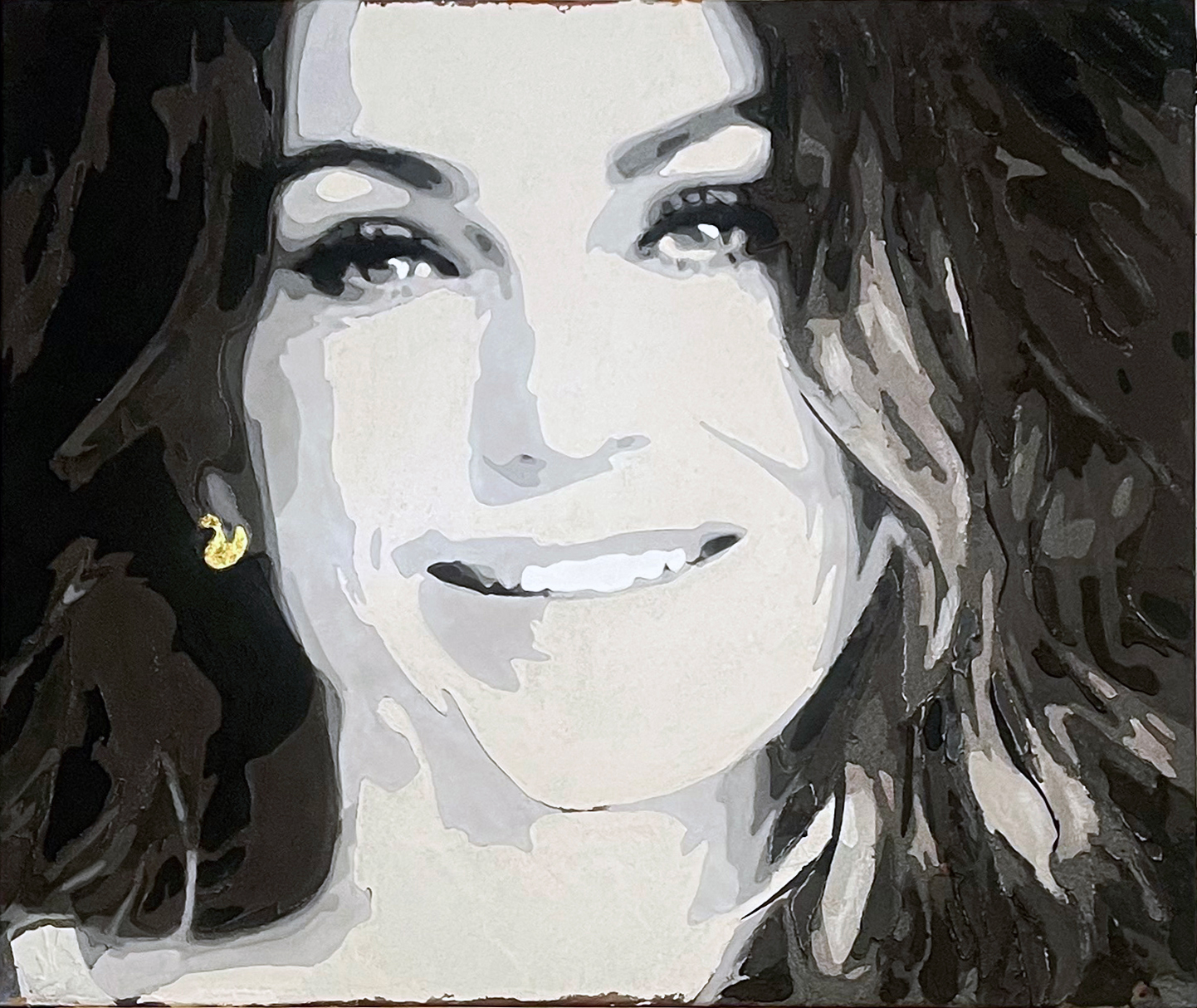
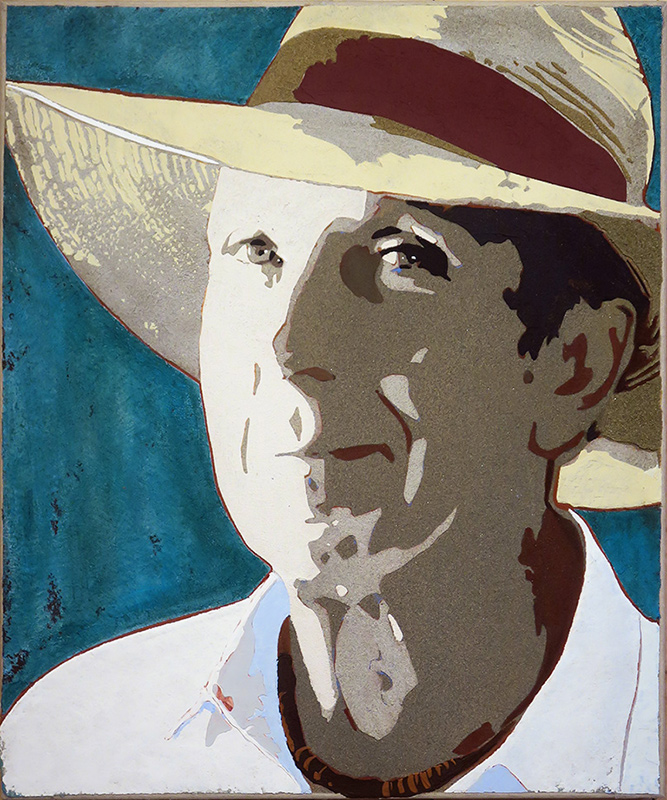
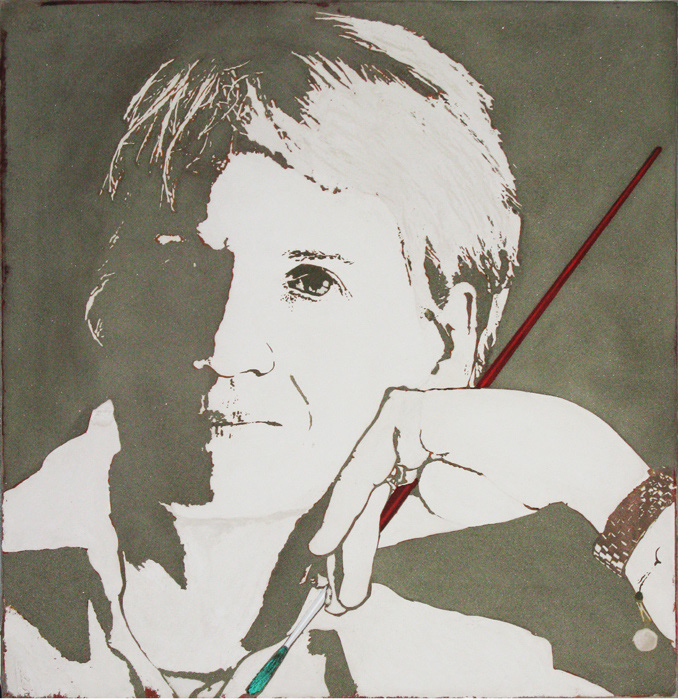
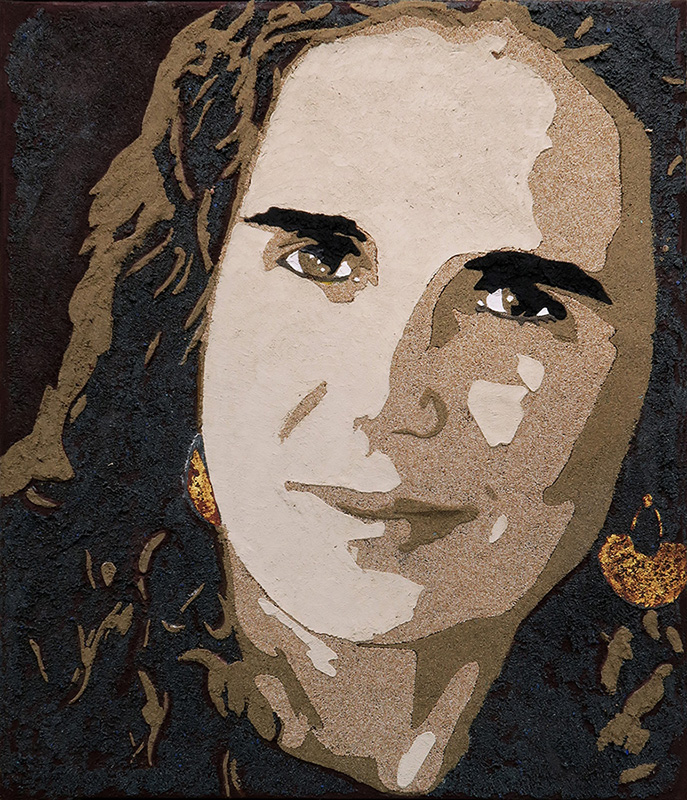
Fresco People's Portraits To explore the artist's work, click on any image. by Fabrizio Ruggiero |
||
|---|---|---|
|
In order to paint his Fresco People's Portraits Fabrizio Ruggiero assumed the language of fresco painting as a system, where the meaning of a work depends on the organization of its concepts and rules. |
||
|
Working with sand, lime and mineral pigments — the essential elements of fresco —Fabriz Ruggiero questions both the nature of colour and the contemporary relevance of painting. The structure and process of fresco are not historical residues but operative tools, reactivated through contemporary technologies. His research unfolds in multiple directions, all rooted in this ancient medium.
|
||
|
One such direction is the close-up portrait, or, as he prefers to define it, the effigy — a term that better conveys the symbolic dimension of the image.
|
||
|
click any image to explore the artist's work. |
||
|
In Minimal Fresco, sand and mortar cease to be neutral supports and become colour and texture in themselves.
|
||
|
In Materic Fresco, thick layers of pre-coloured plaster are applied with a palette knife, making the construction of the image inseparable from its subject. The act of building becomes the theme of the work.
|
||
|
The transfer of a portrait onto a large scale introduces a decisive condition: the image is never seen in its totality. It is constructed fragment by fragment, echoing the Renaissance practice of cartoons and spolvero.
|
||
|
This procedural rigour privileges method over likeness. The subject becomes secondary to the system that generates it, yet remains recognisable.
|
||
|
Ultimately, Ruggiero conceives the human face as a territory and painting as the act of mapping it. |
||
|
Distinction, relation and pattern are the operations through which the mind constructs knowledge. .
|
||
|
This procedural rigour privileges method over likeness. The subject becomes secondary to the system that generates it, yet remains recognisable.Yet the map is never the territory. The description is not the described. The name is not the thing. In fresco, this distance is not a loss, but the very space in which meaning arises. |
||
|
Architect of Lightness |